
Aura Vinyl Explorer
The next Aura Color Explorer: all 831 Aura films on 18 cars, in a studio or an outdoor yard from morning to sunset, then on a photo of your own car. Live in the browser and on Aura's store.
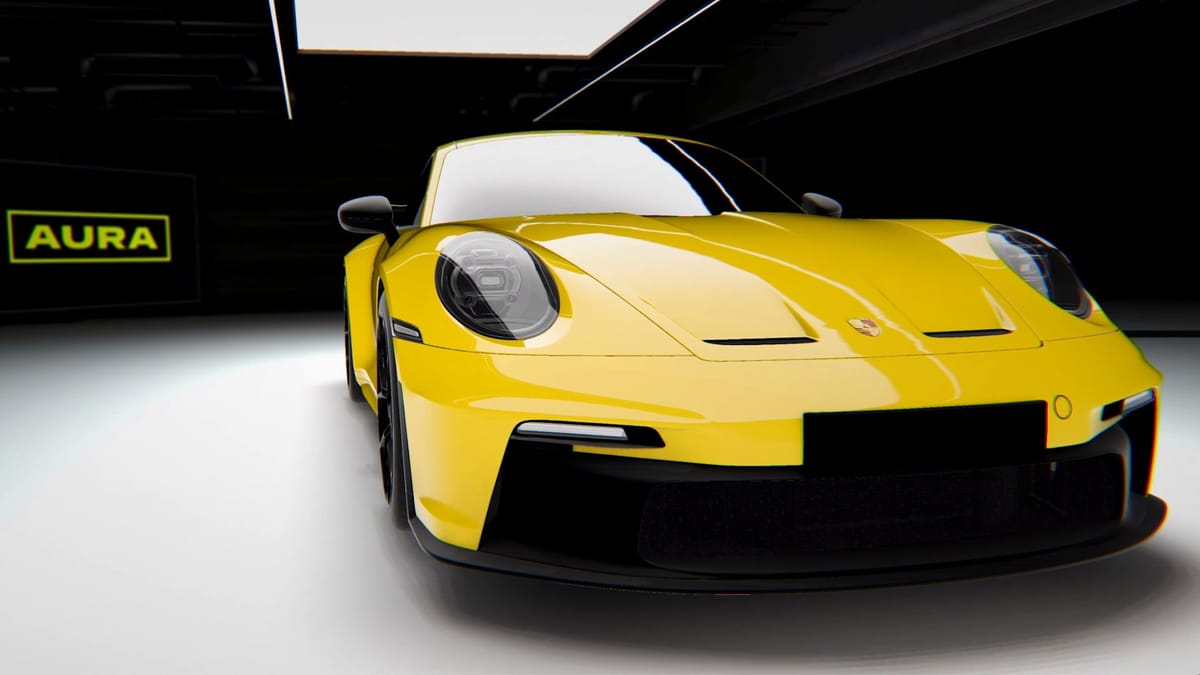
The first Aura Color Explorer changed how vinyl gets sold online. More than 500 wrap shops use it, and over half of auravinyl.com's visitors open it. Explorer 4 keeps the idea and rebuilds everything around it: all 831 Aura films on 18 cars, in two real sets, a studio and an outdoor yard you can move from morning to sunset. Then you can see the film on a photo of your own car. And the same 3D car now sits on the product pages of Aura's store.
The Brief
"Let anyone, anywhere, explore every Aura color as if they were standing next to the car in real light."
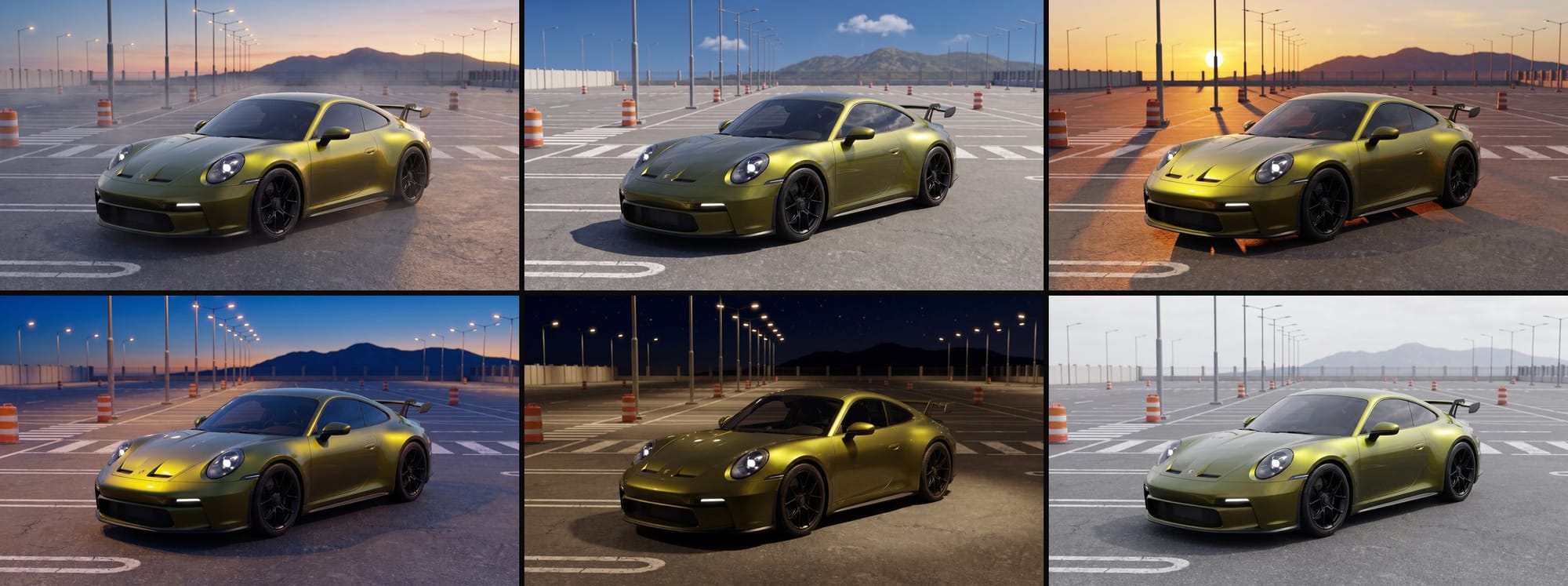
That was the brief for the first explorer, and it still is. What changed is what real light means. A wrap looks one way under studio strips, another in the noon sun and something else again at golden hour. So this time the light moves.
The Sets
Every set started as a concept frame, long before anything was built in 3D.
The Studio is a dark room under a single light panel. Its light never changes, so it's rendered once in Cycles and stored in the textures. In the browser, the only thing left to light is the car.
The Yard is a walled courtyard of roller-door bays between industrial buildings. It follows the sun across four stops, morning, noon, golden hour and sunset, and its light and shadows are worked out live.
Switching sets doesn't cut. The new set sweeps in on a diagonal through the depth of the scene while the camera turns a little around the car, so near things change first and far things after.
Asset Creation
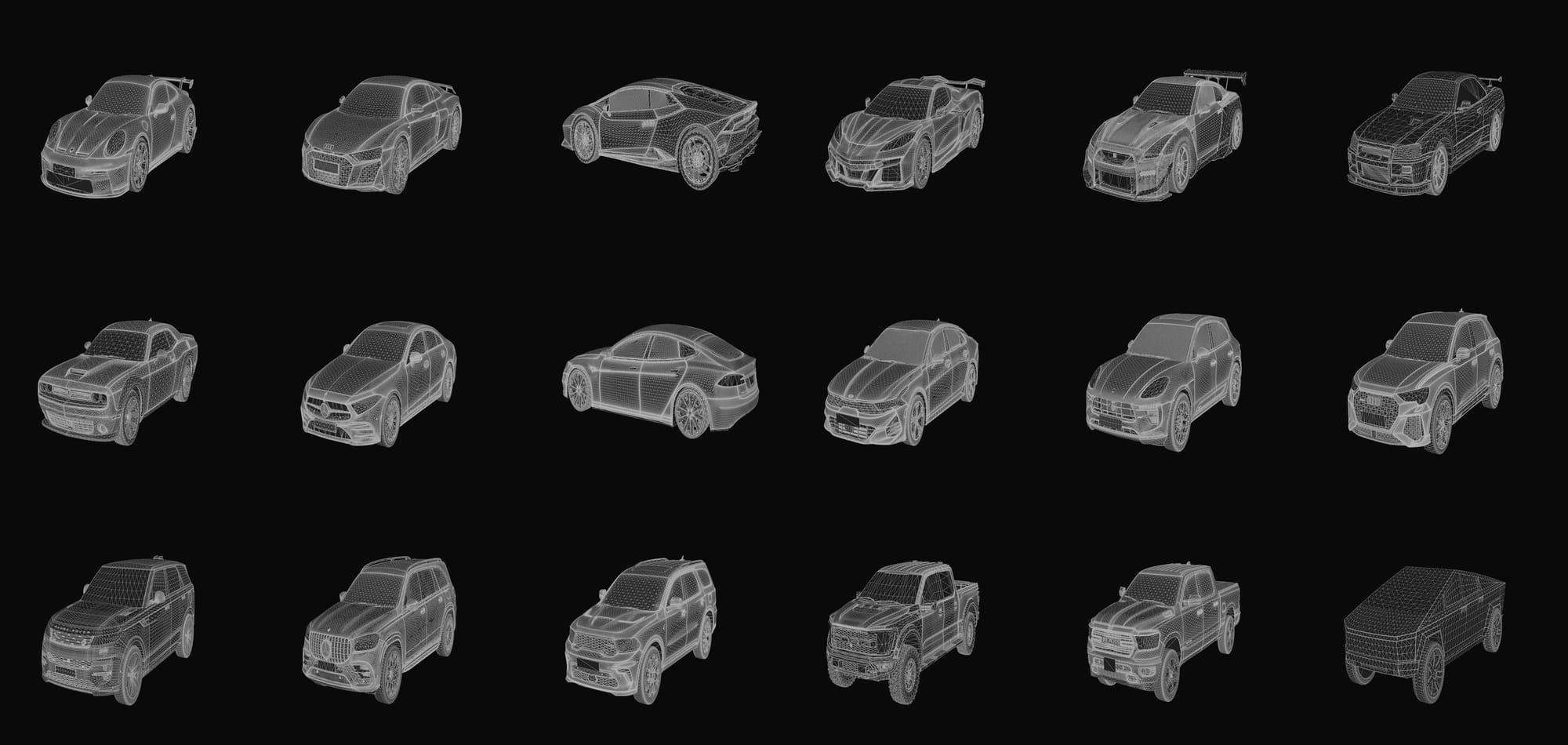
Every scene and every car went from Blender to the browser. Wireframe, clay, finished.
The GT3 alone was 25.2 MB and 385,971 triangles raw. Trimmed to what the camera actually sees, then compressed, it ships at 3.4 MB. All 18 cars went from 288 MB to 52 MB.
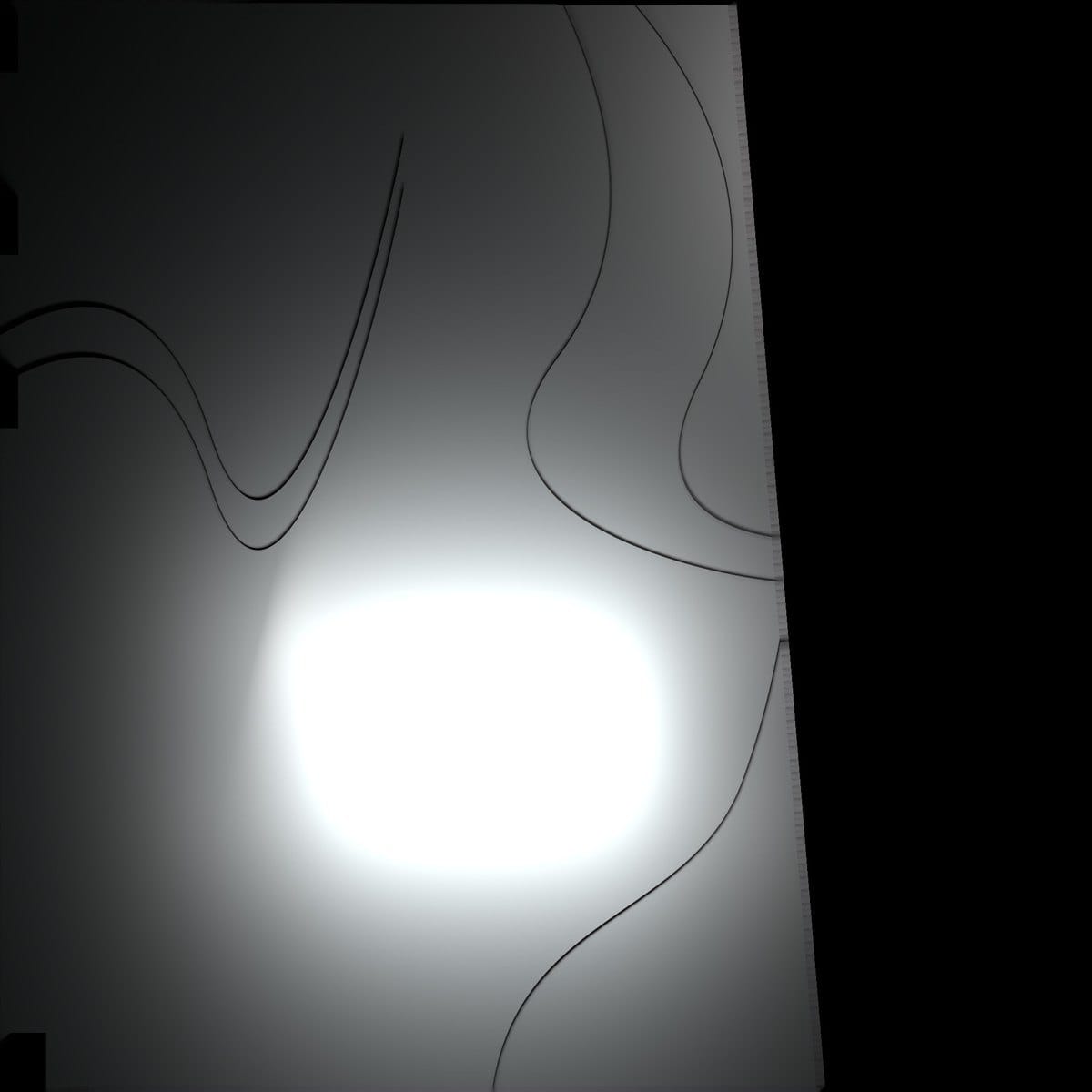
The studio is 216,876 triangles and ships at 0.56 MB. Its six spotlights share one mesh and one bake, and the thousands of pipes in the ceiling keep their light in vertex colours.
The yard is 81,358 triangles at 2.7 MB. Graffiti, ads and every face the camera never sees came off, the street lights share one mesh, and the scanned pallets and crates keep about 5% of their triangles.
The Light That Makes It Real
The first explorer lit the car with a 360° capture of each scene, taken from the car's point of view. Explorer 4 does the same, once in the studio and once for each time of day in the yard, so the car always matches the set it stands in. Each capture is six views stitched into one panorama.
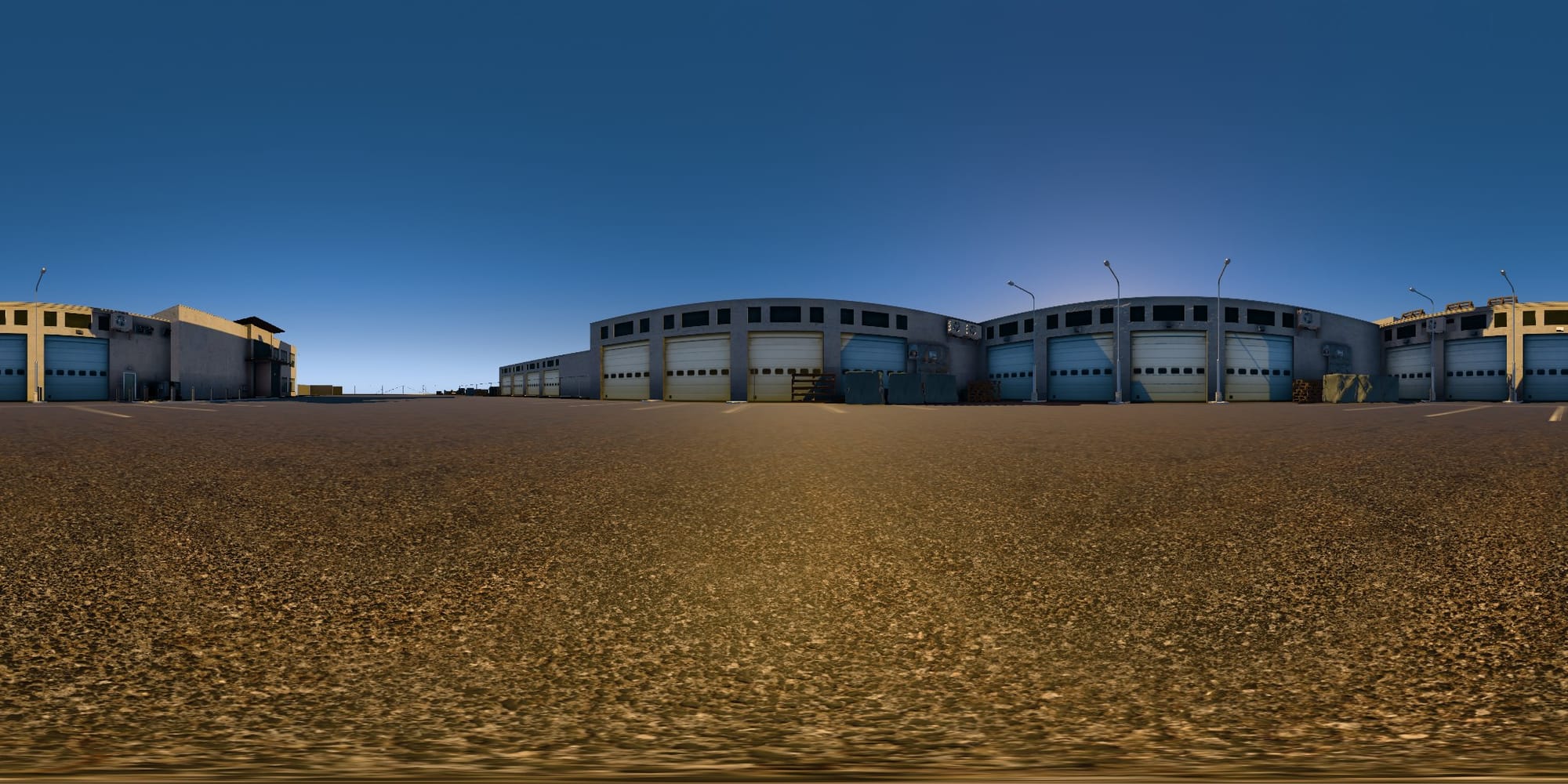
The light sources are stored brighter than white. The studio's overhead panel and the sun make real highlights on the paint instead of grey ones.
Films drive the shader. Each of the 831 films carries its own material: finish (gloss, satin, matte or chrome), base color, shift color, metallic and glitter. Metallic flakes glint toward the sun in whichever capture is lighting the car, so they change as you move through the day. Color-shift films blend between their colors as the angle changes, and iridescent films show the same in every set.
Try It on Your Car
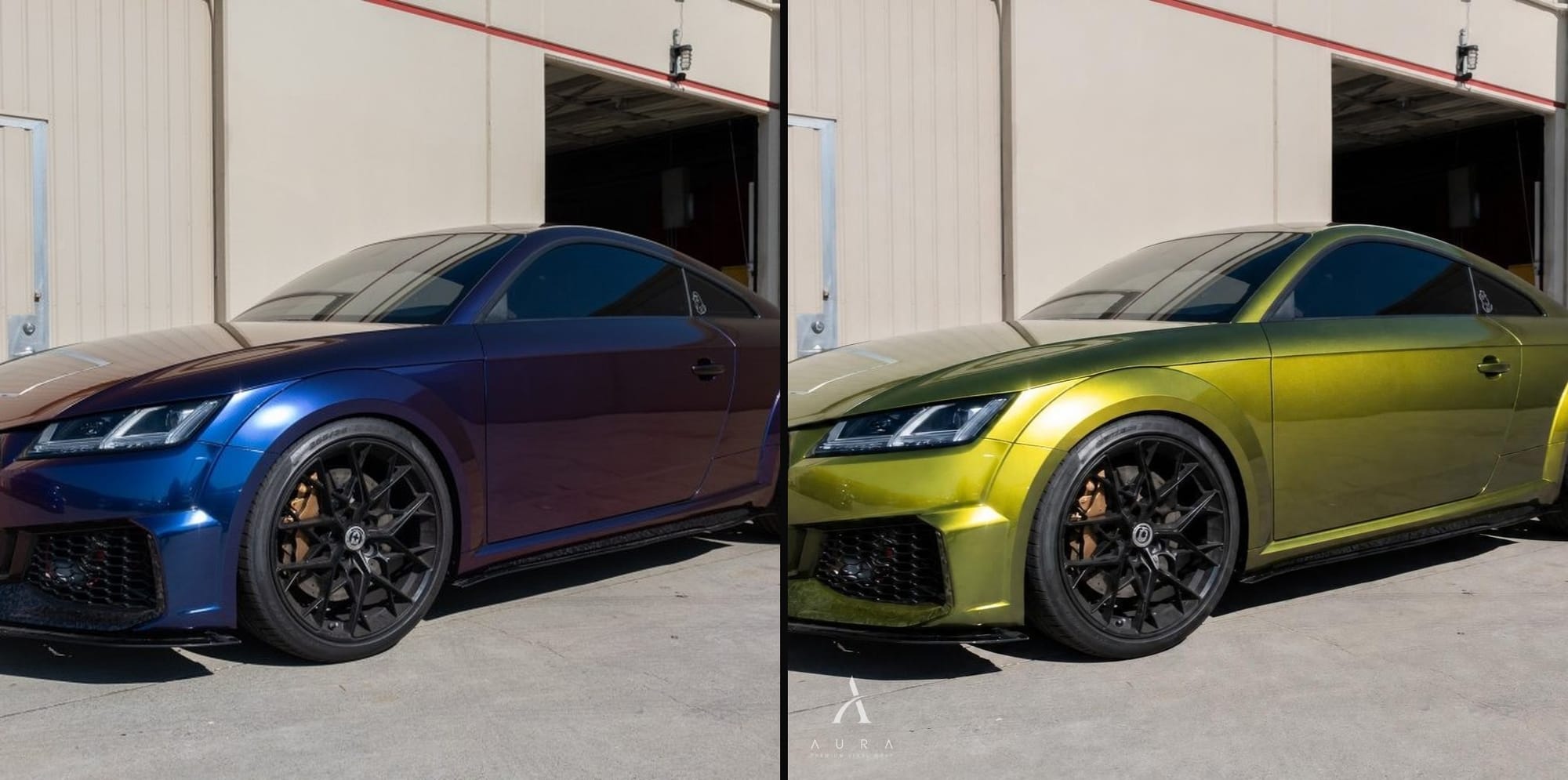
Seeing a film on a GT3 is one thing. Seeing it on your own car is what sells it. Upload a photo, or take one on your phone, and it comes back repainted in the film you're looking at, right next to the product photos. iPhone photos work as they are.
On the Store
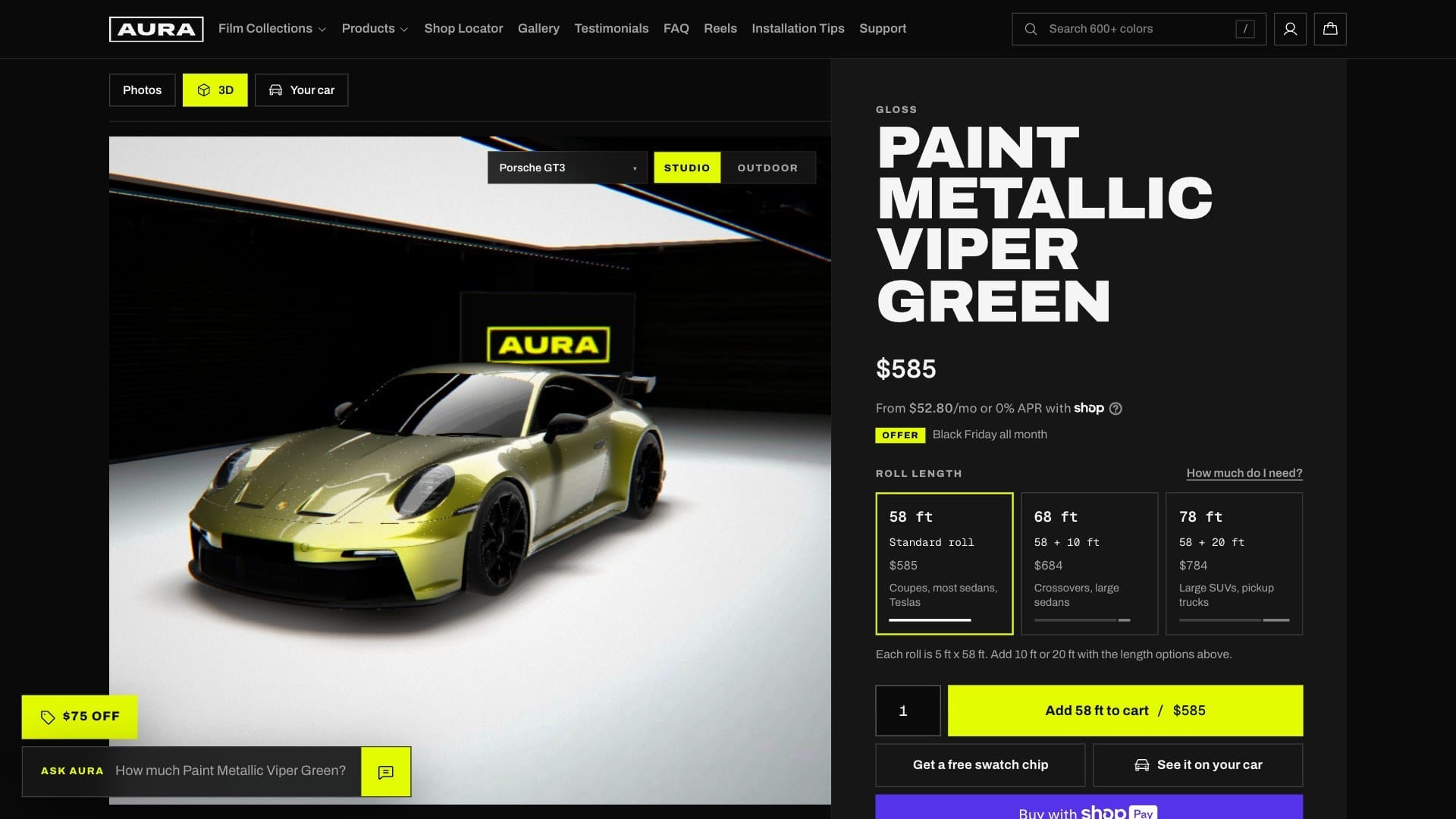
The same 3D car now lives on auravinyl.com's product pages, next to the photos and the try-on. It has the car menu, Studio and Outdoor, and the time of day built in, and picking a film on the page repaints the car without reloading.
Built for Shops
As before, any wrap shop gets its own branded explorer with its own link, and every new film or set reaches all of them at once. Shops set themselves up from a sign-in link, and customers on a shop's explorer can send a lead straight to that shop.
Optimized for Mobile
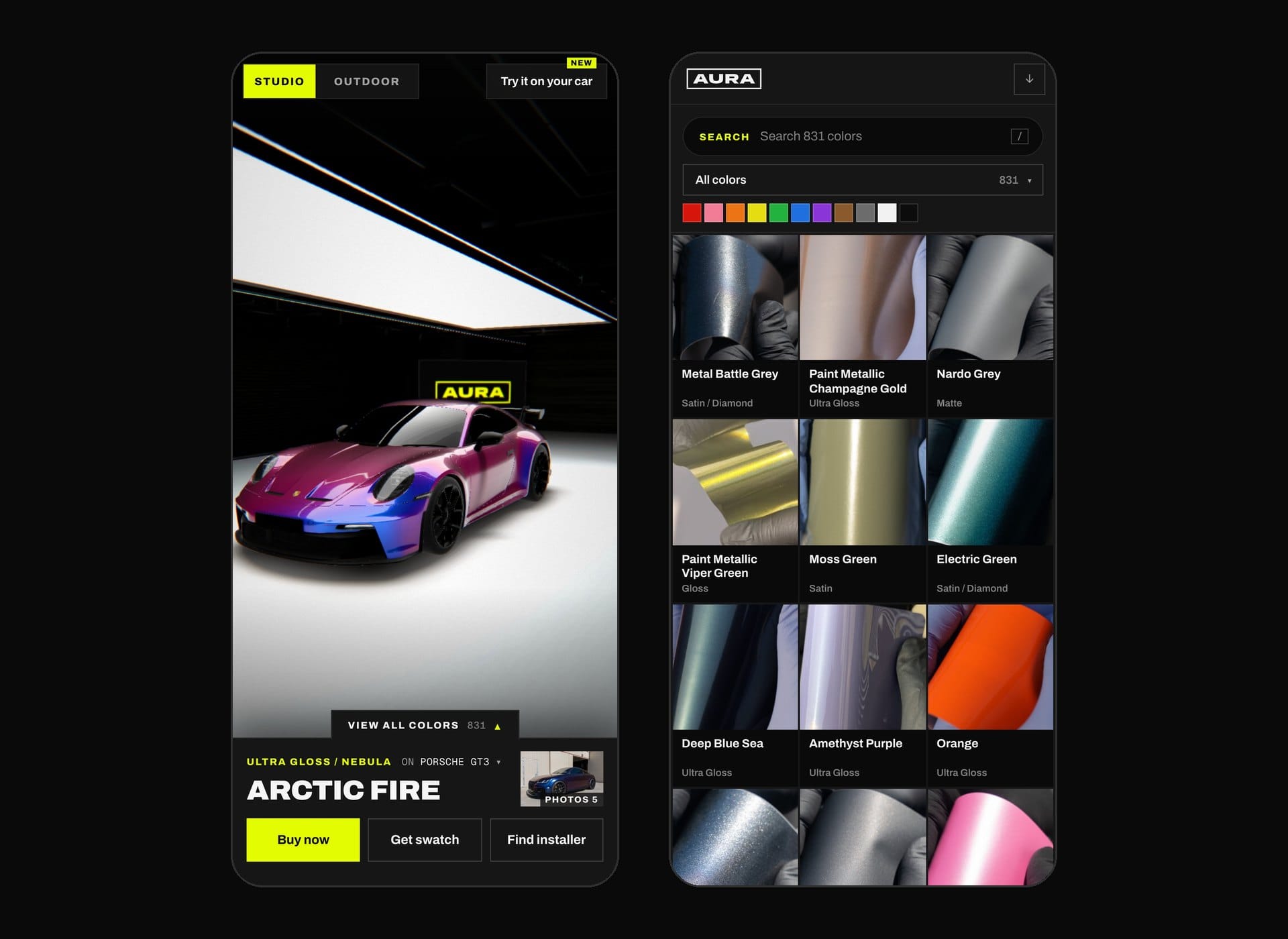
It runs on phones as well as desktops. Each device gets a resolution budget measured on real hardware, on WebGPU where it's available and WebGL where it isn't.
Why It Matters
Explorer 3 showed what a color feels like. Explorer 4 shows it on your car, in the light you'll actually see it in.